
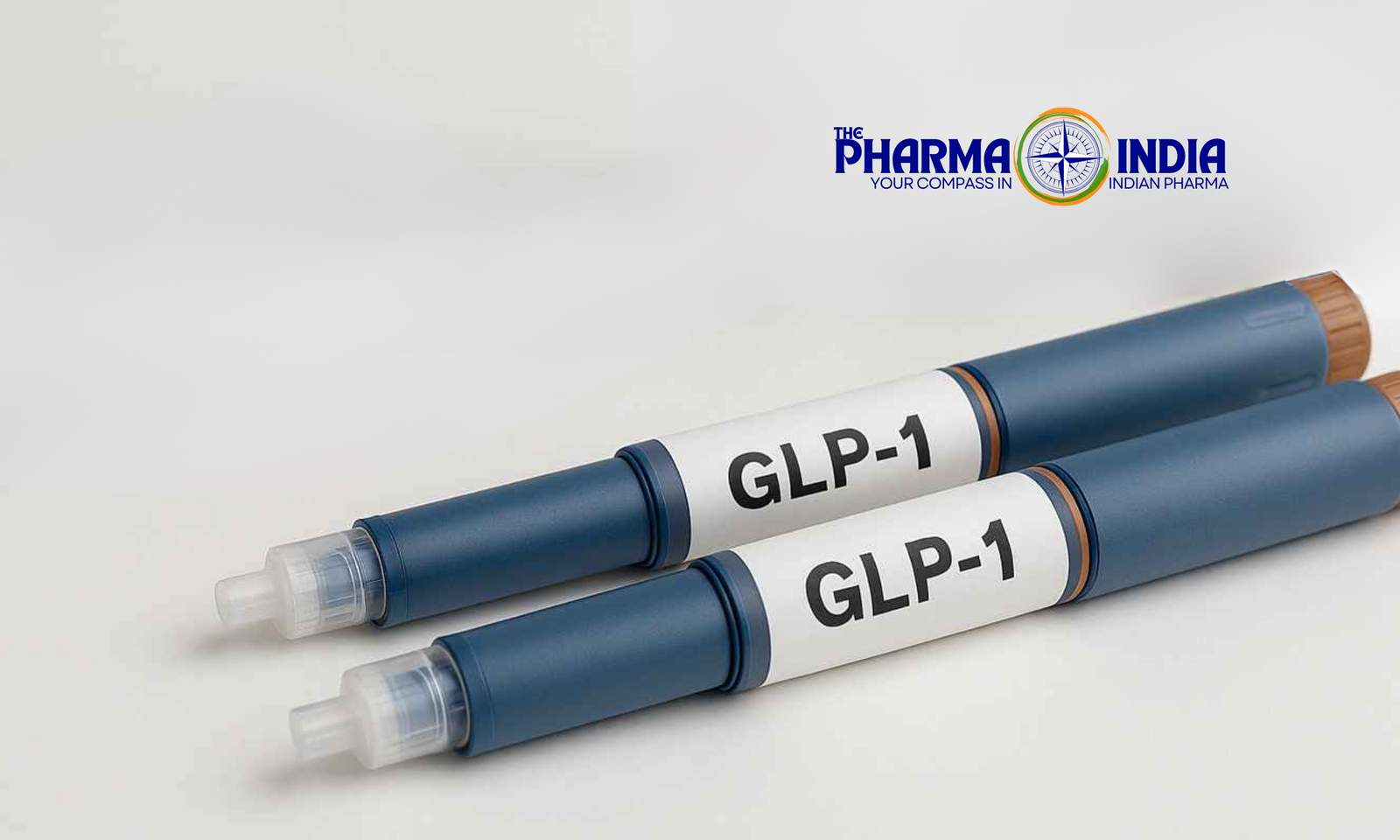
Latest Developments on GLP-1 Therapies
In recent years, glucagon-like peptide-1 (GLP-1) receptor agonists have emerged as one of the fastest-growing segments in the global pharmaceutical market. Originally developed for the treatment of type 2 diabetes, these therapies have also demonstrated significant benefits in weight management and metabolic health.
The surge in demand has been largely driven by innovative drugs pioneered by companies such as Novo Nordisk and Eli Lilly and Company. Their blockbuster therapies have transformed the treatment landscape for obesity and diabetes, turning GLP-1–based medicines into a multibillion-dollar market worldwide.
As demand for these therapies continues to expand, the evolving market dynamics may create a significant opportunity for Indian pharmaceutical manufacturers, particularly in the generics and biosimilars segments once patent protections begin to expire in the coming years.
What the Opportunity Involves
1. Expanding Global Demand for Metabolic Therapies
The global prevalence of obesity and diabetes has been rising steadily, driving demand for innovative metabolic therapies. GLP-1 receptor agonists have demonstrated strong clinical outcomes in improving glycemic control, promoting weight loss, and reducing cardiovascular risks, making them highly sought after by healthcare providers and patients.
This growing demand has created supply pressures in several markets, highlighting the need for broader manufacturing capacity and more affordable versions of these medicines in the future.
2. Potential Generics and Biosimilar Entry
While leading GLP-1 therapies remain under patent protection today, upcoming patent expirations in the next decade could open pathways for generic or biosimilar versions. Indian pharmaceutical companies—known for their expertise in complex generics and cost-efficient manufacturing—may be well positioned to develop and supply these alternatives.
The country’s established capabilities in peptide synthesis, biologics development, and regulatory compliance could allow domestic manufacturers to compete in global markets once exclusivity periods end.
3. Strength in Cost-Efficient Manufacturing
India has built a global reputation for producing high-quality medicines at competitive costs. This capability could play a crucial role in expanding access to GLP-1 therapies, particularly in emerging markets where affordability remains a major barrier to treatment.
By leveraging advanced manufacturing technologies and large-scale production infrastructure, Indian companies could help bring down the cost of metabolic therapies once generic competition becomes possible.
4. Increasing Investment in Peptide and Biologics Capabilities
Recognizing the growth potential of metabolic drugs, several Indian pharmaceutical firms are investing in peptide manufacturing, biologics research, and advanced drug delivery technologies. These investments may help build the technical expertise required to produce next-generation GLP-1–based therapies and related metabolic treatments.
Why the GLP-1 Market Matters Now
Metabolic disorders are among the most significant public health challenges worldwide. The global rise in obesity, type 2 diabetes, and cardiovascular diseases has accelerated demand for innovative therapies that address multiple aspects of metabolic health simultaneously.
Breakthrough medicines developed by Novo Nordisk and Eli Lilly and Company have demonstrated that GLP-1–based treatments can deliver meaningful clinical benefits beyond glucose control, including weight reduction and cardiovascular risk improvement.
However, the high cost of these therapies has limited access in many regions. As the market evolves, the entry of more manufacturers could help expand global access to these life-changing treatments.
Potential Impact on India’s Pharmaceutical Industry
Growth in Complex Generics
Developing generic or biosimilar versions of GLP-1 therapies would represent a major opportunity for Indian companies to expand into the high-value segment of complex peptide-based medicines.
Expansion of Peptide Manufacturing
Rising demand for metabolic drugs could accelerate investments in peptide manufacturing infrastructure, strengthening India’s capabilities in advanced pharmaceutical production.
Global Market Opportunities
Once patent barriers ease, Indian manufacturers could play a significant role in supplying cost-effective GLP-1 therapies to both developed and emerging markets, reinforcing the country’s reputation as a key global supplier of affordable medicines.
Conclusion
The rapid rise of GLP-1 therapies marks a transformative shift in the treatment of obesity and diabetes. While the market is currently dominated by innovators such as Novo Nordisk and Eli Lilly and Company, the long-term growth of this therapeutic class could open new opportunities for generic and biosimilar manufacturers.
For India’s pharmaceutical industry, the expanding metabolic drug market represents a strategic opportunity to leverage its strengths in complex generics, peptide manufacturing, and cost-efficient production—potentially playing a key role in improving global access to advanced metabolic therapies in the years ahead.