
Active Pharmaceutical Ingredients (APIs) form the foundation of modern medicines, determining their therapeutic effectiveness, quality, and safety. As global pharmaceutical companies increasingly prioritize supply chain resilience, manufacturing diversification, and cost efficiency, India is strengthening its position as a critical player in global API development.
Traditionally recognized for its generic pharmaceutical manufacturing capabilities, India is gradually expanding its presence across the API value chain, from intermediate production and bulk drug manufacturing to complex APIs, specialty molecules, and advanced pharmaceutical intermediates.
Supported by an established manufacturing ecosystem, a skilled scientific workforce, competitive production capabilities, and growing regulatory expertise, India is emerging as an important manufacturing and sourcing destination for international pharmaceutical companies.
However, the next phase of growth will depend on the country’s ability to move beyond volume-driven production toward innovation-led, technologically advanced, and environmentally sustainable API development.
India’s Expanding Position in the Global API Market
India’s pharmaceutical industry has developed a substantial manufacturing ecosystem serving domestic and international markets. Its API capabilities are supported by an extensive network of pharmaceutical manufacturers, chemical suppliers, research institutions, and contract development and manufacturing organizations (CDMOs).
India’s API market was estimated at approximately $14.77 billion in 2025, reflecting the growing importance of domestic API manufacturing. The country also contributes significantly to the global supply of pharmaceutical ingredients and supports the production of medicines across several therapeutic categories, including cardiovascular diseases, anti-infectives, oncology, diabetes, and central nervous system disorders.
The country’s competitive advantage extends beyond manufacturing costs. Indian companies have accumulated experience in process chemistry, analytical development, regulatory documentation, quality assurance, and large-scale commercial production. These capabilities are increasingly relevant as global pharmaceutical companies seek reliable partners capable of supporting different stages of the API development lifecycle.
Nevertheless, India’s participation in international API trade offers considerable room for expansion. Strengthening domestic production capabilities and increasing exports of complex and specialty APIs could further improve its position in the global pharmaceutical supply chain.
Government Initiatives Strengthening Domestic API Manufacturing
Reducing import dependence and developing domestic manufacturing capabilities have become important priorities for India’s pharmaceutical sector.
The government’s Production Linked Incentive (PLI) Scheme for Promotion of Domestic Manufacturing of Critical Key Starting Materials (KSMs), Drug Intermediates, and APIs represents a significant step toward strengthening this ecosystem.
With a financial outlay of ₹6,940 crore, the initiative supports domestic manufacturing of 41 identified critical pharmaceutical products. The programme is designed to encourage investments in manufacturing infrastructure, strengthen upstream capabilities, and improve the availability of essential pharmaceutical ingredients.
Another important initiative is the Promotion of Bulk Drug Parks Scheme, which supports the development of common manufacturing infrastructure in Andhra Pradesh, Gujarat, and Himachal Pradesh.
These parks are designed to provide essential facilities, including utilities, effluent treatment systems, warehouses, and waste management infrastructure. Such investments can help manufacturers improve operational efficiency, manage production costs, and meet environmental requirements.
Together, these initiatives demonstrate a policy shift toward building a more integrated pharmaceutical manufacturing ecosystem rather than focusing exclusively on finished dosage formulations.
Technology and Innovation Reshaping API Development
The evolution of global pharmaceutical research is changing the technical requirements of API manufacturing. Increasing demand for complex molecules, high-potency APIs, and specialized therapeutic compounds is encouraging manufacturers to invest in advanced production technologies.
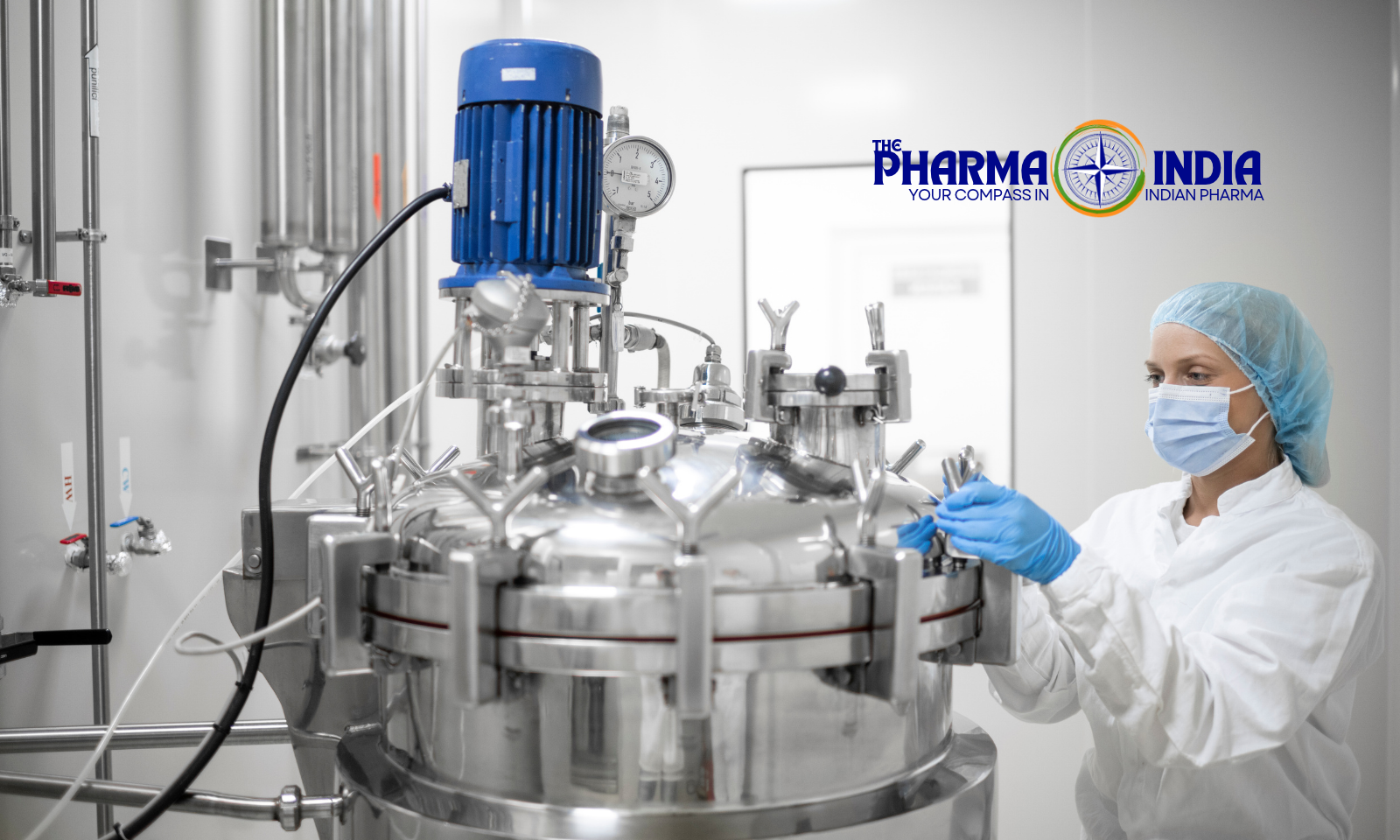
Indian pharmaceutical companies are increasingly exploring continuous manufacturing, process intensification, automation, and advanced analytical technologies to improve production efficiency and product consistency.
Process chemistry and route optimization are particularly important in this transformation. By developing more efficient synthetic pathways, manufacturers can reduce production costs, improve yields, minimize waste generation, and strengthen the commercial viability of complex APIs.
The growing adoption of artificial intelligence, machine learning, and digital manufacturing tools also presents opportunities across API development. These technologies can support predictive process monitoring, analytical data evaluation, quality control, and manufacturing optimization.
Another emerging opportunity lies in fermentation-based APIs and biotechnology-derived pharmaceutical ingredients. Strengthening indigenous fermentation capabilities can help address supply chain vulnerabilities while creating opportunities in antibiotics and other specialized pharmaceutical segments.
As global pharmaceutical companies increasingly demand technically differentiated products, investment in research, process development, and manufacturing innovation will become essential to India’s long-term competitiveness.
India’s Role in Diversifying Global Pharmaceutical Supply Chains
The COVID-19 pandemic highlighted vulnerabilities associated with concentrated pharmaceutical supply chains. Disruptions in raw material availability, manufacturing operations, and international logistics reinforced the importance of geographical diversification.
India has emerged as an important partner in this changing landscape, offering global pharmaceutical companies an established manufacturing ecosystem and an alternative source of pharmaceutical ingredients.
Nevertheless, import dependence remains a critical consideration. China continues to account for a substantial proportion of India’s imports across several important API and intermediate categories, highlighting the need to strengthen domestic capabilities in key starting materials, specialized chemical synthesis, and fermentation-based products.
For international pharmaceutical companies, India offers an opportunity to diversify sourcing strategies while maintaining access to established manufacturing and regulatory capabilities. Strategic partnerships, long-term supply agreements, technology transfers, and contract manufacturing arrangements could further strengthen this relationship.
Regulatory Compliance and Quality: Building Global Confidence
Regulatory compliance remains one of the most important determinants of India’s success in global API development.
Manufacturers supplying international pharmaceutical markets must demonstrate consistent adherence to Good Manufacturing Practices (GMP), robust quality management systems, validated processes, and comprehensive documentation.
India’s manufacturing ecosystem has developed considerable experience in serving regulated markets, including the United States and Europe. However, continued improvements in inspection readiness, data integrity, contamination control, and quality risk management remain essential.
The revised Schedule M requirements have also increased the emphasis on pharmaceutical quality systems and manufacturing compliance among Indian drug manufacturers.
For API producers, compliance is not limited to obtaining manufacturing approvals. It requires continuous investment in quality infrastructure, process validation, laboratory capabilities, personnel training, and regulatory oversight.
Companies that integrate quality into product development and manufacturing operations will be better positioned to establish long-term partnerships with multinational pharmaceutical organizations.
Emerging Opportunities in Complex and Specialty APIs
As pharmaceutical research advances toward more targeted therapies, demand for specialized APIs is creating new opportunities for Indian manufacturers.
Several segments offer potential for technology-led expansion:
- High-Potency APIs (HPAPIs): Growing oncology and targeted therapy pipelines are increasing the importance of specialized manufacturing facilities with advanced containment capabilities.
- Peptides and Complex Molecules: Increasing development of peptide-based therapeutics and metabolic treatments is creating opportunities for manufacturers with specialized synthesis and purification capabilities.
- Oncology APIs: Expanding cancer drug development and generic oncology portfolios are supporting demand for complex pharmaceutical ingredients.
- Fermentation-Based APIs: Strengthening domestic fermentation infrastructure could reduce dependence on imported intermediates and support antibiotic manufacturing.
- Specialty and Custom APIs: Contract manufacturing and custom synthesis partnerships offer opportunities to serve global pharmaceutical companies seeking differentiated development capabilities.
These segments will require sustained investments in research, specialized equipment, technical expertise, and regulatory compliance. Indian manufacturers that develop capabilities in these areas could strengthen their position beyond conventional generic API production.
Challenges Facing India’s Global API Ambitions
Despite its established manufacturing capabilities, India faces several structural and operational challenges that could influence its future growth.
Dependence on Imported Raw Materials: Continued reliance on imported KSMs and intermediates exposes manufacturers to geopolitical uncertainties, pricing fluctuations, and supply disruptions.
Environmental Sustainability: API manufacturing, particularly chemical synthesis and fermentation, can involve significant water consumption, energy requirements, and industrial waste generation. Investments in cleaner production technologies, solvent recovery, and effective effluent treatment will be increasingly important.
Capital and Technology Requirements: Developing complex APIs and specialized manufacturing facilities requires substantial capital investment, advanced infrastructure, and highly skilled technical personnel.
Global Regulatory Expectations: Manufacturers must continuously adapt to evolving international quality standards, inspection requirements, and documentation practices.
Pricing and Competitive Pressures: Competition from established manufacturing hubs, particularly China, places pressure on Indian companies to improve production efficiency while maintaining consistent quality.
Addressing these challenges will require coordinated efforts from pharmaceutical manufacturers, policymakers, research institutions, and technology providers.
The Road Ahead: From Cost Competitiveness to Innovation Leadership
India’s future in global API development will depend on its ability to combine manufacturing scale with technological differentiation.
The next phase of industry growth is likely to be driven by greater investment in complex API development, process innovation, advanced manufacturing technologies, and integrated supply chain capabilities.
Collaboration between domestic pharmaceutical companies and international innovators could accelerate technology transfer, strengthen research capabilities, and create new opportunities in contract development and manufacturing.
Government support through manufacturing incentives and bulk drug infrastructure will remain important. However, long-term competitiveness will increasingly depend on private-sector investments in research, automation, sustainability, and quality systems.
India’s pharmaceutical exports reached approximately $30.5 billion in FY2024–25, demonstrating the international reach of its broader pharmaceutical manufacturing ecosystem. Building on this foundation, API manufacturers have an opportunity to expand their contribution to global pharmaceutical supply chains.
Conclusion
India is transitioning from being primarily recognized as a cost-competitive pharmaceutical manufacturing destination to becoming a strategic participant in global API development.
Its established chemical manufacturing capabilities, expanding domestic infrastructure, regulatory experience, and growing focus on complex pharmaceutical ingredients provide a strong foundation for future growth.
However, reducing import dependence, strengthening upstream manufacturing, investing in advanced technologies, and maintaining consistent quality standards will be critical to achieving this ambition.
As global pharmaceutical companies continue to prioritize supply chain resilience and manufacturing diversification, India has an opportunity to become more than an alternative sourcing destination.
Its long-term success will depend on establishing itself as a reliable, innovation-driven, and globally competitive hub for the development and manufacturing of the pharmaceutical ingredients that power modern medicine.