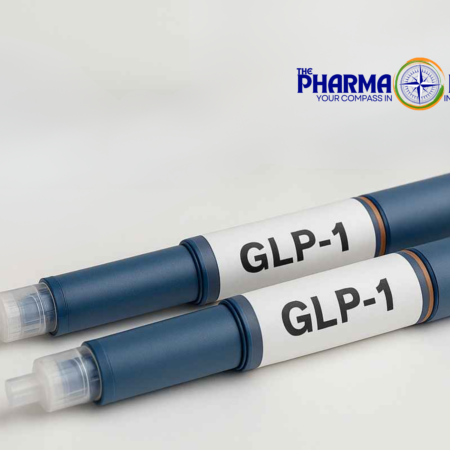


In recent years, India’s pharmaceutical landscape has witnessed a significant transformation. Beyond being the “pharmacy of the world” for affordable medicines, India is emerging as a preferred global hub for Contract Development and Manufacturing Organizations (CDMOs) a segment offering end-to-end drug development and manufacturing services for domestic and international clients. With global pharmaceutical companies increasingly outsourcing critical work, India’s CDMO ecosystem is positioned for substantial growth.

What Are CDMOs and Why Do They Matter?
CDMOs provide outsourced services that span the lifecycle of a drug from early development and formulation to commercial-scale manufacturing. These organizations allow pharmaceutical innovators to reduce costs, accelerate time-to-market, and leverage specialised capabilities they might lack in-house. In recent years, CDMOs have also expanded into biologics, complex small molecules, and advanced therapies, further elevating their strategic importance.
For India, the shift toward quality CDMO services signals a move up the pharmaceutical value chain from bulk generics to high-complexity, high-margin work that attracts long-term contracts with multinational companies.
India’s Competitive Advantages
Global Cost Competitiveness and Talent Pool
One of India’s most compelling strengths lies in its ability to offer high-quality pharmaceutical services at significantly lower costs than Western counterparts. Services can be priced around 20% lower than those in China and Europe, making Indian CDMOs attractive partners for global firms looking to optimise their supply chains.
India also benefits from a large and skilled workforce, with a steady stream of pharmacy, biotechnology, and chemical engineering graduates entering the sector. This talent pool fuels innovation and supports complex development and manufacturing projects.
Supply Chain Diversification and Global Demand
Global pharmaceutical companies are diversifying supply chains to reduce reliance on any one country, particularly in the wake of pandemic disruptions. This trend has provoked a shift of outsourcing work from traditional hubs to emerging markets like India, where robust infrastructure and regulatory compliance can support global standards of quality.
According to industry forecasts, India’s share of global CDMO outsourcing could reach 8–10% by 2033, reflecting sustained demand from multinational players.
Growing Market Size
Market reports indicate that India’s CDMO sector is on track to double from roughly USD 7 billion to USD 14 billion by 2028, underscoring the rapid pace of growth as firms expand capabilities in biologics, APIs, and complex formulations.
Emerging Opportunities
Expansion Beyond Generics
Indian CDMOs are increasingly supporting complex drug modalities such as biologics, peptides, and advanced therapies. This diversification enables them to compete for more sophisticated contracts and capture higher-value segments of the market.
Collaborations With Global Innovators
Partnerships between Indian CDMOs and multinational pharma companies are expanding, driven by mutual interest in efficient, cost-effective development and manufacturing solutions. Strategic alliances and cross-border investments further integrate India into global pharmaceutical supply chains.
Technological Adoption
Indian CDMOs are increasingly embracing digital tools, including predictive analytics, advanced process control, and IoT-enabled monitoring, to enhance manufacturing precision and supply chain transparency.
If you look at what you have in life, you’ll always have more. If you look at what you don’t have in life, you’ll never have enough.
Challenges the Sector Must Address
Regulatory Compliance Complexity
While India has made progress toward aligning its standards with global regulators, navigating the requirements of agencies such as the US FDA and European Medicines Agency remains complex and resource-intensive. Meeting stringent Good Manufacturing Practice (GMP) standards requires ongoing investment in facilities, quality assurance systems, and documentation.
Infrastructure and Logistics Limitations
Despite strong capabilities among leading players, gaps persist in areas such as cold-chain logistics, power supply strength, and overall infrastructure readiness. These limitations can impact operational efficiency and delivery timelines for sensitive biologics and advanced therapies.
Intense Competition
The CDMO space is highly competitive, with both domestic and global players vying for market share. Price pressures and margin compression are ongoing concerns that require Indian companies to differentiate through quality, specialised services, and faster turnaround times.
Conclusion
India’s CDMO ecosystem stands at a pivotal moment. Backed by cost advantages, a skilled workforce, expanding capabilities, and growing global demand, Indian CDMOs are increasingly recognised as reliable partners for complex drug development and manufacturing. At the same time, addressing regulatory, infrastructure, and competitive challenges will be crucial to sustaining long-term growth and fully realising India’s potential as a global CDMO powerhouse.

Other Articles