

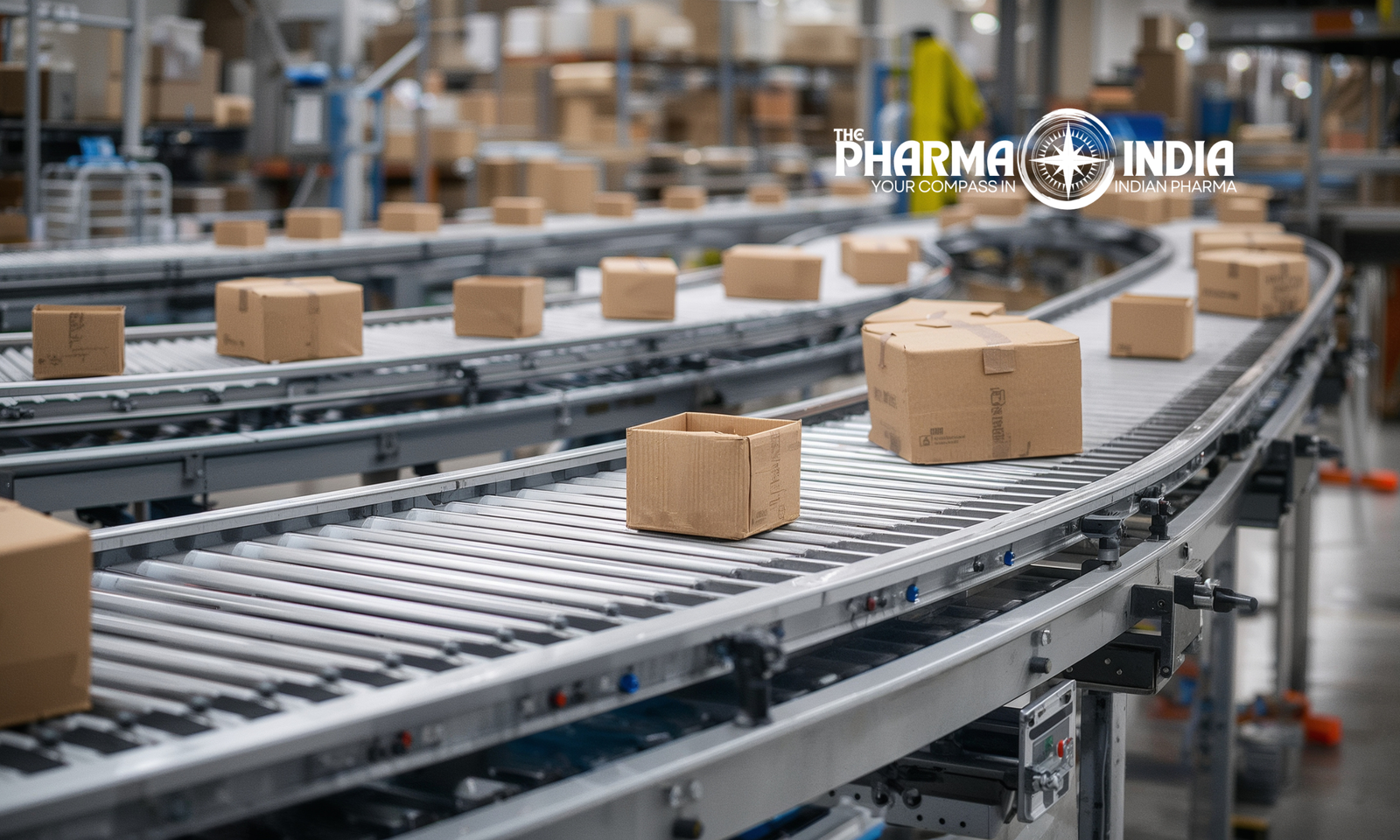
Latest Developments in Global Pharma Supply Chains
The COVID-19 pandemic exposed critical vulnerabilities in global pharmaceutical supply chains, highlighting the risks associated with overreliance on a limited number of manufacturing hubs. Disruptions in the supply of active pharmaceutical ingredients (APIs), intermediates, and finished medicines created shortages in several regions and prompted governments and pharmaceutical companies to reassess their sourcing strategies.
In response, many global pharmaceutical companies are actively diversifying their supply chains to improve resilience and reduce dependency on single-country manufacturing networks. India, already recognized as one of the world’s largest producers of generic medicines, is emerging as a key alternative manufacturing destination in this evolving landscape.
With a strong pharmaceutical manufacturing base, skilled workforce, and supportive government initiatives, India is increasingly being viewed as a strategic partner for strengthening global pharmaceutical supply chains.
What the Opportunity Involves
1. Diversification of Manufacturing Networks
Global pharmaceutical companies are seeking to diversify their production and sourcing networks to minimize the risk of supply disruptions. By expanding manufacturing partnerships and facilities across multiple countries, companies can create more resilient supply chains capable of responding to unexpected crises.
India’s established pharmaceutical infrastructure and regulatory experience make it an attractive destination for these diversification efforts.
2. Strengthening API and Intermediate Production
One of the key lessons from the pandemic was the vulnerability associated with concentrated API production in a limited number of regions. India is increasingly investing in domestic API manufacturing capabilities to reduce import dependence and strengthen upstream pharmaceutical supply chains.
These developments are enabling the country to play a more comprehensive role in global pharmaceutical manufacturing—from raw materials to finished formulations.
3. Government Policy Support and Incentives
The Indian government has introduced several policy initiatives aimed at strengthening pharmaceutical manufacturing. Programs such as the Production Linked Incentive (PLI) scheme and the development of bulk drug parks are designed to encourage investment in domestic production and enhance supply chain security.
These initiatives aim to attract both domestic and international pharmaceutical companies seeking reliable and diversified manufacturing bases.
4. Growing Contract Development and Manufacturing Opportunities
India’s contract development and manufacturing organization (CDMO) sector is also benefiting from the shift toward supply chain diversification. Global pharmaceutical companies are increasingly partnering with Indian manufacturers to support drug development, scale-up production, and global distribution.
These partnerships allow companies to leverage India’s manufacturing expertise while maintaining flexibility in their supply chains.
Why Supply Chain Resilience Matters Now
Pharmaceutical supply chains are complex and global in nature, involving multiple stages of production across different countries. Any disruption—whether due to geopolitical tensions, pandemics, or natural disasters—can affect the availability of essential medicines.
Ensuring supply chain resilience has therefore become a strategic priority for governments and pharmaceutical companies alike. By expanding manufacturing capacity across diverse geographic regions, the industry aims to safeguard access to medicines and maintain continuity in healthcare systems worldwide.
India’s large-scale manufacturing capabilities and regulatory experience position it as a valuable partner in this effort.
Potential Impact on India’s Pharmaceutical Industry
Expansion of Global Manufacturing Partnerships
As multinational pharmaceutical companies diversify their supply chains, Indian manufacturers may gain new opportunities for long-term production partnerships and contract manufacturing agreements.
Increased Investment in Infrastructure
Rising global demand for diversified supply chains may drive further investment in manufacturing facilities, logistics infrastructure, and quality systems across India’s pharmaceutical sector.
Enhanced Global Strategic Importance
By playing a greater role in ensuring the stability of global medicine supplies, India could strengthen its position as a critical pillar in the international pharmaceutical ecosystem.
Conclusion
The pandemic served as a turning point for the global pharmaceutical industry, revealing the need for more resilient and diversified supply chains. As companies and governments seek to reduce risks and strengthen manufacturing networks, India is emerging as an increasingly important partner in global pharmaceutical production.
With continued investment in manufacturing capacity, regulatory compliance, and supply chain infrastructure, India may further solidify its role as a key hub in the global pharmaceutical supply chain—helping ensure reliable access to essential medicines worldwide.